
Here is the slightly awkward truth about a private school tour. You get about forty-five minutes, someone else picks the route, and everyone you meet already knew you were coming. It is, essentially, a performance.
Nobody is lying to you, but you are seeing the version of the school that gets shown to visitors, which is not quite the same as the version your kid would live in from morning drop-off to evening pickup, five days a week, for the next nine years.
That’s not a reason to skip the tour, but it is a reason to show up with a plan. Here’s what I would do, having done this myself (and having made most of the mistakes that are possible).
Before you go
- Write down what your kid really needs. Not what a good school looks like in the abstract, what you need, in your own unglamorous words. “She disappears in big groups.” “He is bored and hiding it.” “Somebody has to have him until 5:30 or none of this works.” Three or four lines in your phone. This is the list that’s easy to forget the instant you set foot on a campus.
- Ask to see the grade your child would enter. Not the highlight reel, but the specific classroom, ideally with children in it, being children. If the school can only offer you an empty room with the chairs stacked, that is fine, but ask when you could come back on a real school day. And then pay attention to how they answer.
- Drive the route at the time you’d actually drive it. Not Sunday afternoon, when everyone is either at home or brunch. Try it on a weekday at 7:40 a.m., with the coffee and the missing shoe and the person who cuts across three lanes to make their exit. That’s your real commute, and it can be a big factor in deciding whether or not a school will work for your family, long-term.
What to watch, not what to listen to
The talking points will be good, because they’re all good. The real story is in what nobody’s presenting:
- Do the adults know the kids’ names? Walk the halls and listen. “Hey Marcus, how’d the science fair go?” is worth more than any speech about community.
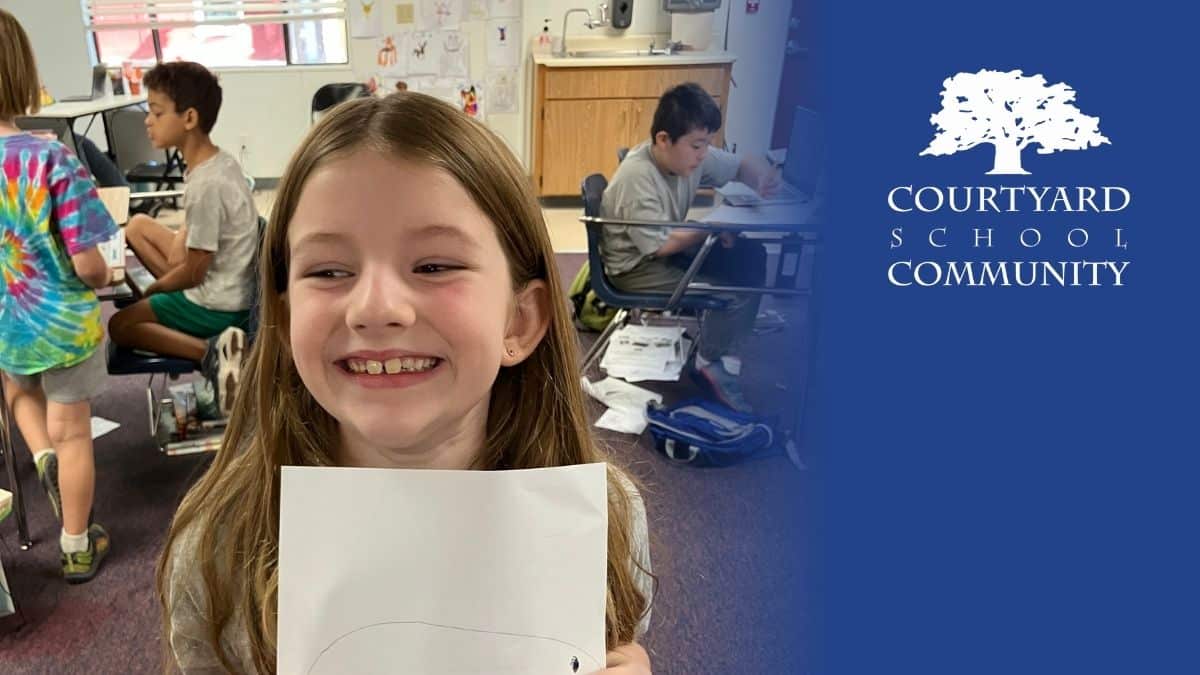
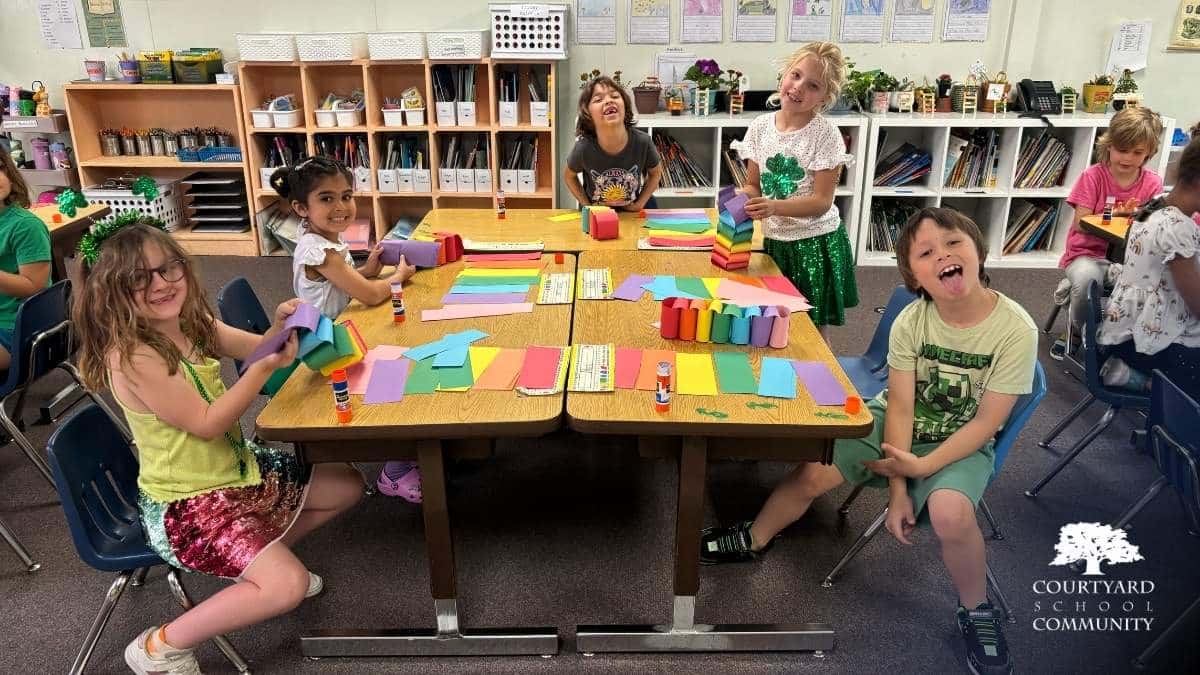
- What are the kids’ faces doing? Not just “well-behaved,” but are they engaged, relaxed, occasionally a little goofy? A room of perfectly silent children is not automatically a good sign, and neither is chaos. What you want is absorbed, and you’ll recognize it instantly.
- Who is doing all the talking? If you get to see a lesson, notice the ratio. Is the teacher delivering to a room, or are kids asking, arguing, working through something? Both have their place, but you want to know which one is the default.
- What’s on the walls? Student work that’s messy, various, and clearly theirs, or twenty-four identical projects in a perfect row? One tells you kids get to make choices, too.
- How do the staff talk to each other? Teachers who like their colleagues tend to like their jobs, and teachers who like their jobs stay. You can usually tell in about ninety seconds in the front office.
The questions that will reveal something
Skip the ones with an obvious answer, because nobody is going to tell you their teachers are miserable. These are the questions where the answer has nowhere to hide.
- “How many kids are in the class my child would join next year?” School-wide averages can hide a lot. You want the number for that room, that grade, next fall.
- “Tell me about a student who struggled here and what you did.” This is the best question on the list. A school with real systems will have a specific story, with details. A school without one will reassure you warmly and say nothing, and you’ll hear the difference.
- “How long have the teachers in this grade been here?” Teacher tenure is the closest thing to a vital sign that a school has, and it can tell you a lot.
- “What happens between the last bell and 6pm?” Ask what the kids are doing at 5:15. “We have aftercare” and “there’s homework club, art, and outdoor time until pickup” are very different programs going by the same name.
- “Where did last year’s eighth graders go, and how did they do?” For a K-8 school, this is the outcome question. Listen for a process and detail, not a list of impressive high school names. And yes, ask it even if your child is five.
- “What kind of kid is this school not the right fit for?” A school that answers honestly is telling you it knows itself, which is rarer and more useful than it sounds. A school that says “oh, we’re a fit for everyone” is telling you something, too.
The things nobody tells you to do
- Come back unannounced. Walk into the front office on a random morning with a question about applications. How you’re treated when you’re not expected is the truest thing you’ll learn all week.
- Ask to see pickup. 5 p.m. at a school tells you more than 10 a.m. Are kids doing something, or just waiting? Do the after-care staff know them, or just keep count?
- Find a parent who isn’t on the tour. Schools introduce you to their happiest families, which is normal, but if you can find a parent in the pickup line, ask what they’d change. Everyone has an answer.
- Notice how they handle your hard question. You’ll have one, about cost, about a learning difference, about something you read somewhere. A school that gets a little defensive in August is showing you how it’ll respond when you have a concern in March.
After the tour
Write down your gut read in the parking lot, before you talk yourself into or out of anything. Just one or two sentences: how did it feel, and could you picture your kid in that hallway?
Then tour at least one more school, even if you loved the first one. I know, nobody has spare time. But fit reveals itself by contrast; you often don’t know exactly what you loved until you until you see a place that doesn’t have it.
And if you want a head start before you book anything, we put together a guide comparing Sacramento private schools, including ours.
If Courtyard is on your list
We do one-on-one tours year-round, and fall is when most families come and look. Courtyard is a TK-8 independent school in Midtown with about 135 students, multi-age classrooms where kids pair with the same teacher for two years after 2nd grade, and a day that runs 7am to 6pm with before- and after-care, meals, and enrichment included. TK and Kindergarten are full for this year, but there are open seats in first through eighth grade.
Depending on where you are in the process, some of our other articles may be helpful, including choosing a private kindergarten, what to look for in the elementary years, or choosing a private middle school. And if you’re still deciding whether a smaller school is right at all, start with the signs your child might thrive in one.
Come see us! You can schedule a visit on our website or call (916) 442-5395, and don’t forget to bring your hard questions. We like those.