
Everyone talks about kindergarten. It gets the photo on the front steps, the backpack bigger than the child, and at least one parent crying behind sunglasses in the drop-off line. Everyone talks about middle school, too, usually in the tone people save for approaching weather systems.
The years in between get a lot less attention, which is funny because that’s exactly when a lot of things happen. First through sixth grade is when a kid stops decoding and starts really reading, they learn whether they think of themselves as a “math person,” they find their people, and they decide whether school is a place they like being. And that’s only a few of the questions they’re (unknowingly) answering about themselves and their education during those years.
So if you’re looking at private elementary schools in Sacramento, here’s what I’d be thinking about.
What to look for in a private elementary school
- How kids are grouped, and how flexible it is. A third grader can read at a fifth-grade level and still be learning simple multiplication. Ask what the school does when a kid who’s ahead in one subject is average in another. That answer will tell you whether they teach to each kid or to the middle of the room.
- Class size for your specific grade. School-wide averages are a magic trick. Ask for the number in the room your child would walk into. (Here’s why that number changes so much about a kid’s day.)
- What’s included outside of the core subjects. Elementary is when kids find the thing they love, and it’s almost never long division. Ask what music, art, Spanish, PE, drama, and field trips look like during the week, and which ones are added on as paid extras.
- How teachers get to know students. A teacher who has your child for one year meets them in September and starts to really understand them around March. And then it starts all over again the next year. Ask how long teachers stay with a class, and how the school shares what it knows about a kid from year to year. “Oh, we talk” is not a system.
- The full day, including the parts before and after. If you work a 9-to-5 (or just have a lot to do each day), an elementary school that ends at 3:00 with vague aftercare isn’t a school that will work for you, in reality. Ask what 5:15pm looks like. Is it homework help and a soccer club, or a room where kids wait?
- Where students go next. At a K-8 or TK-8 school, ask where 8th graders go to high school and what the school does to help them get there. Even if your kid is still in second grade, it tells you what the school is building toward.
What the elementary years look like at a small school
This is the part I didn’t understand until I was inside one.
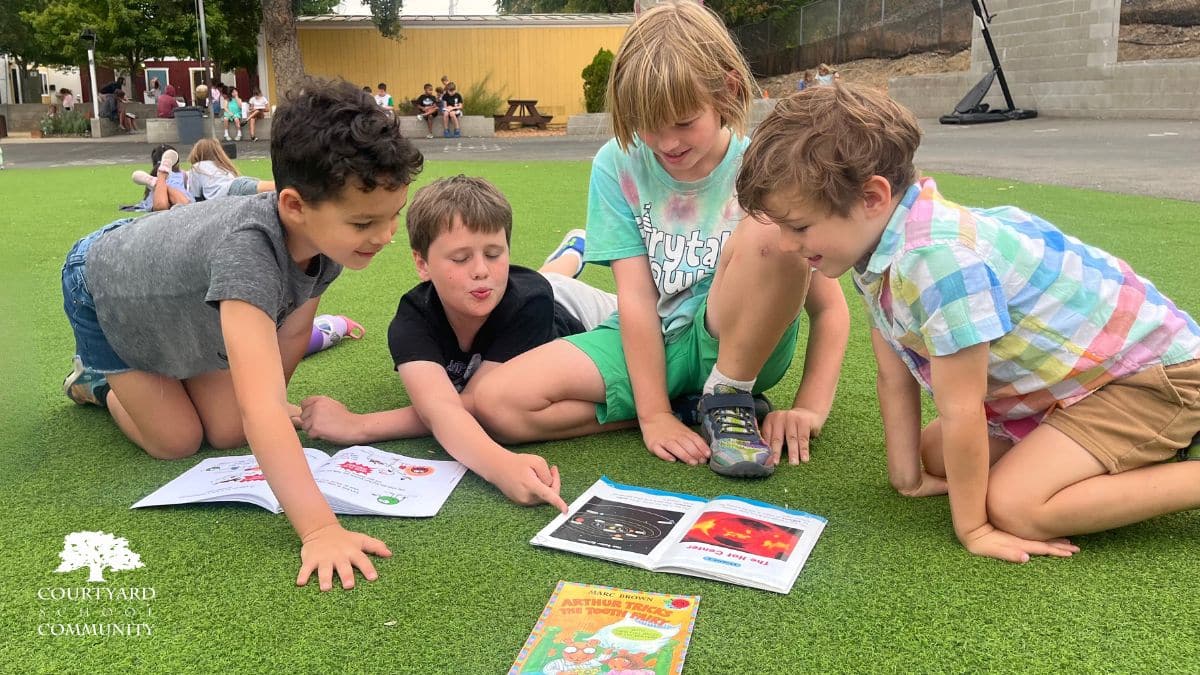
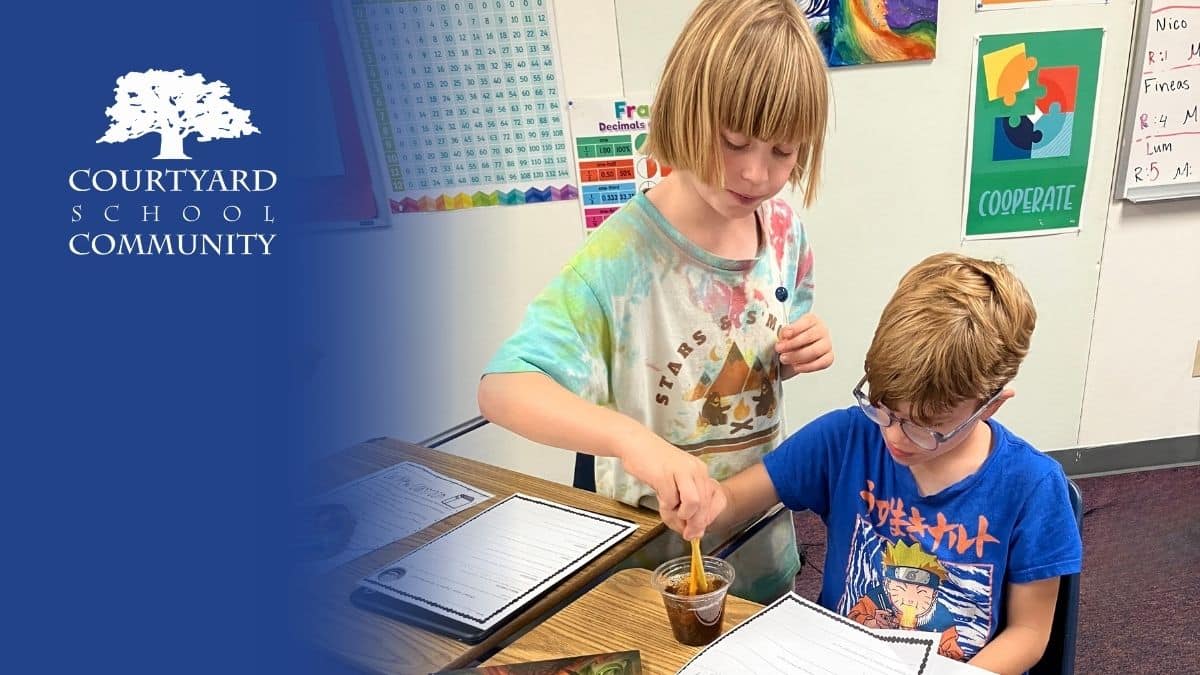
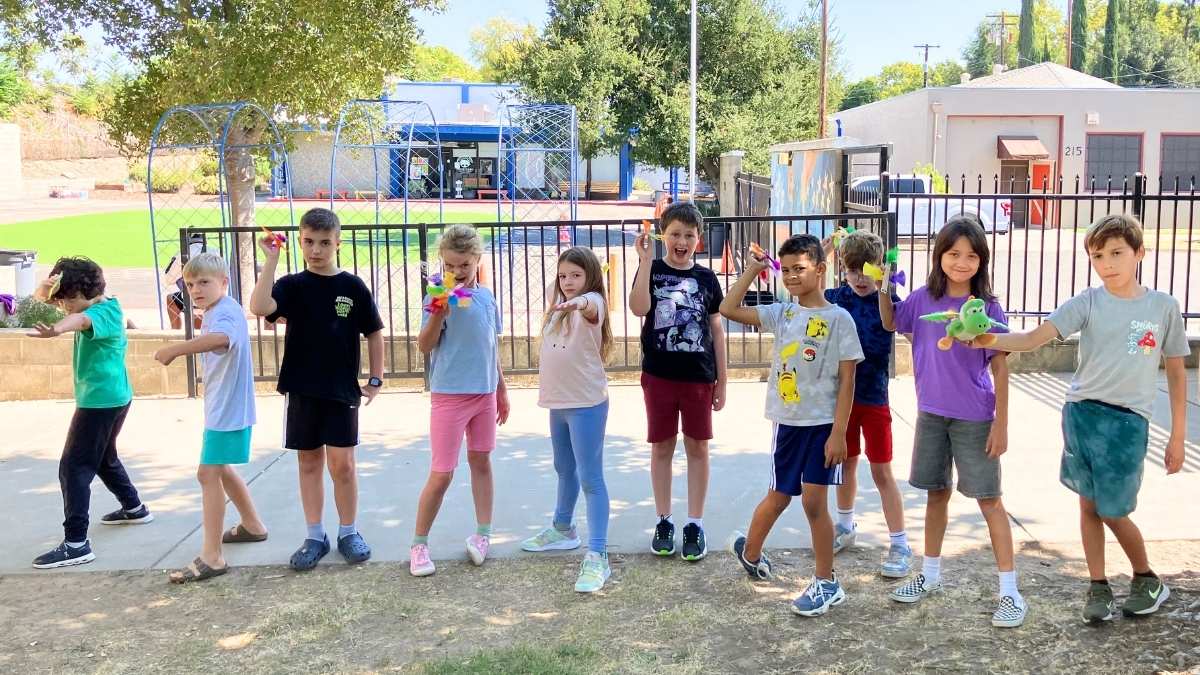
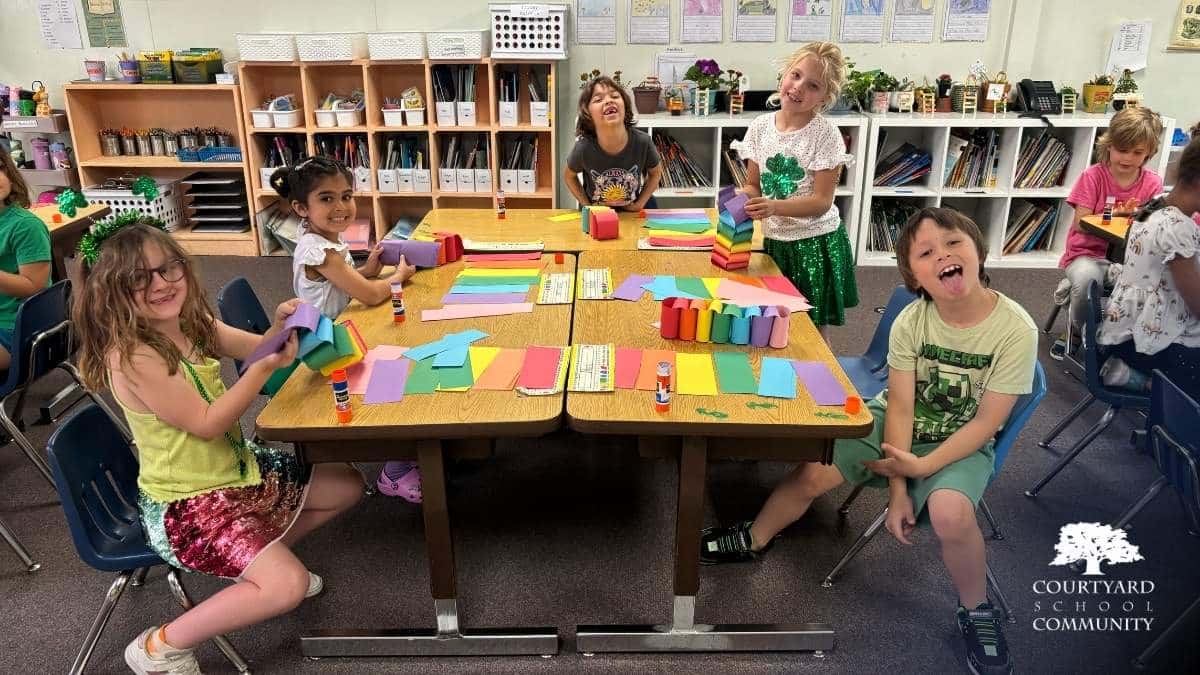
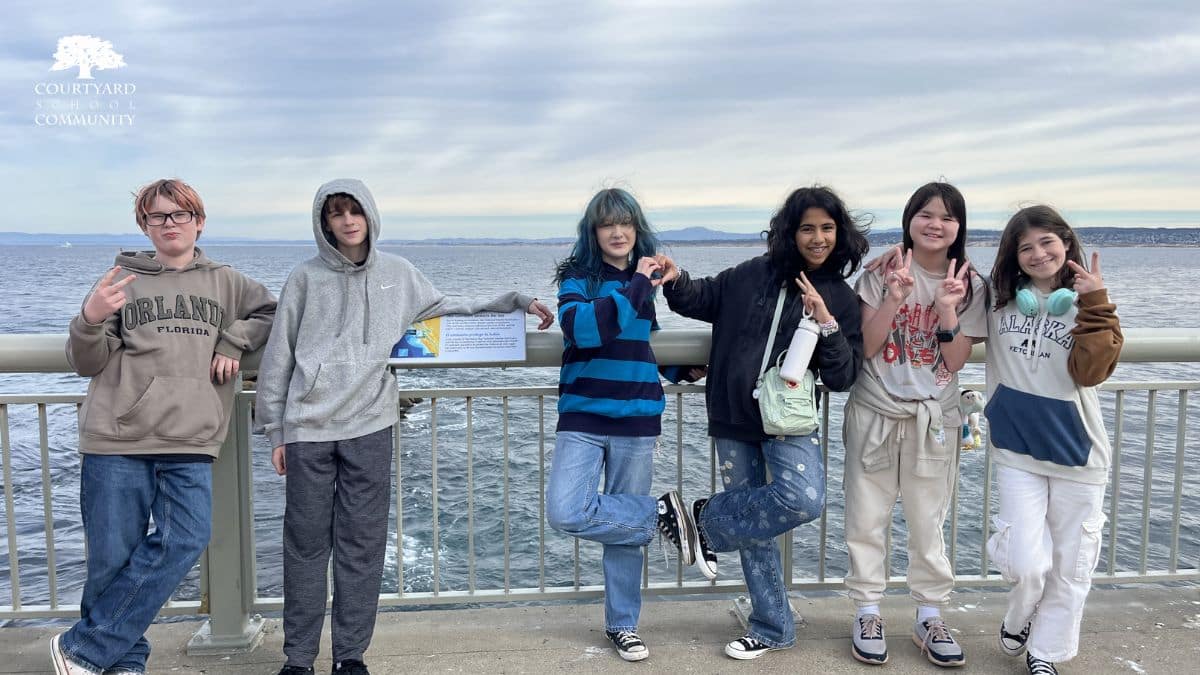
At Courtyard, the elementary years run with multi-age classrooms after the kids finish second grade. Third and fourth together, fifth and sixth together, and seventh and eighth together, same teacher for two years. (TK, kindergarten, first, and second each have their own classroom.) So September of year two isn’t a reset. The teacher already knows your child: how they learn, what they avoid, who they sit next to, when to push and when to leave it alone.
Inside those classrooms, kids are grouped by where they actually are in a subject rather than by grade level. Courtyard calls them “L+1” groups, with each student working just past their current level. In practice, that means a strong reader isn’t idling through a lesson they mastered last spring, and a kid who needs another pass at fractions gets it without a label attached.
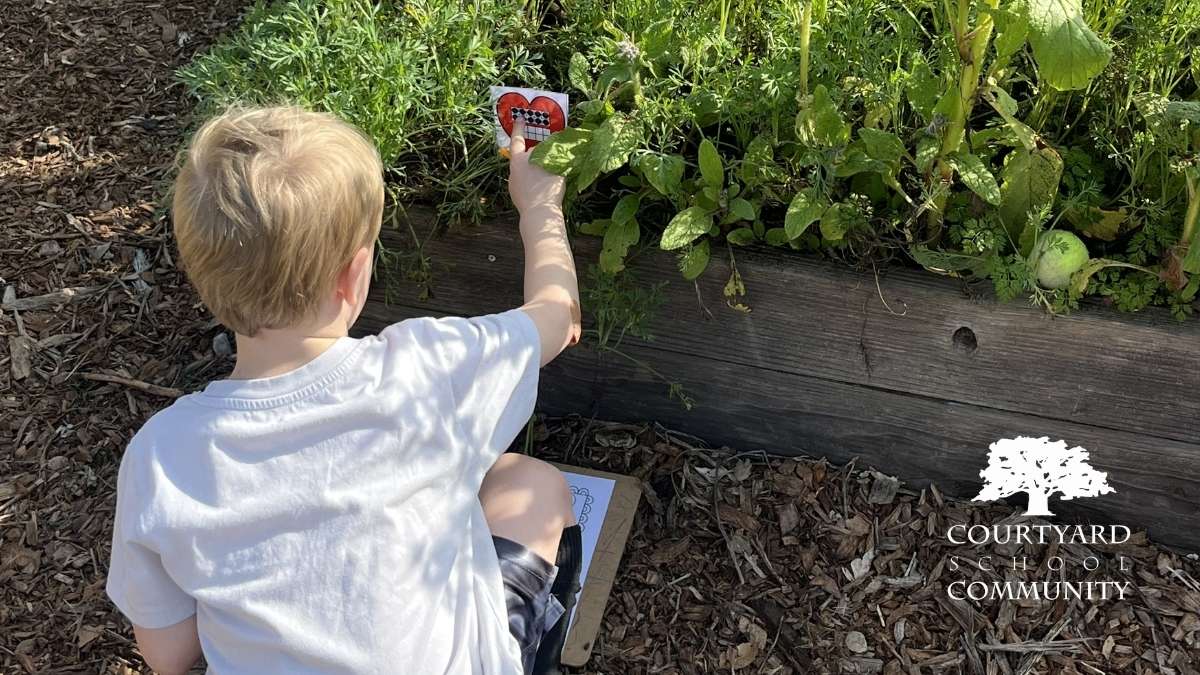
What surprised me most was how much of the week isn’t core academics. Spanish, music, drama, visual arts, PE, and regular field trips are built into the schedule rather than sold separately, which matters enormously in the years when kids are still auditioning for their own interests.
And the schedule was clearly built for working and busy families: the day runs 7am to 6pm with before- and after-care, and breakfast, hot lunch, most field trips, and break camps are included in tuition rather than billed separately.
So is a small school actually better?
Not automatically, no. Some kids do really well with a big peer group, a ton of activities, and the energy of a larger campus. And a big elementary school with a great teacher beats a small one with a mediocre teacher every time. Size isn’t exactly the question. The question is whether the school knows how to teach your particular kid.
Which is pretty much the same question underneath every school decision anyone has ever made. If you’re still working out whether a smaller setting is the right direction for your family, we wrote about the signs a child might thrive in a smaller school. If you want the wider landscape with specific school details, here’s our guide comparing Sacramento private schools.
Five questions you should ask on every tour
If you’re like me, you’ll forget every one of these the moment you start a tour, so print these out or write them down, if it helps!
- How many students are in the specific class my child would join next year?
- How do you teach a child who’s ahead in one subject and steady in another?
- How long do students stay with the same teacher, and how do you pass along what you know about a child?
- What do music, art, Spanish, PE, and field trips look like in a typical week, and what costs extra?
- What happens between the end of the school day and 6pm?
If you’re touring elementary schools now
First grade or fifth, staying put or making a change, the only real way to know is to walk into a few schools and watch how the adults talk to kids when they don’t think a parent is listening. Pay attention to how the rooms feel, and trust your intuition.
And if your child is younger or older than the elementary window, we’ve written about choosing a private kindergarten and choosing a private middle school too.
If you’d like to see a small, full-day TK-8 school in Midtown Sacramento, you can schedule a visit or call us at (916) 442-5395. We’re at 24th and C, about ten minutes from East Sacramento, Land Park, and Curtis Park, and we do one-on-one tours year-round. We’d love to show you our school, and there are open seats for grades 1 through 8 for this school year.