
“Small class sizes” might be the most overused phrase in all of school marketing. Every private school brochure in Sacramento says it, and at this point, it’s become background noise. Your eyes skim past, and the words have lost most of their meaning.
The trouble is that “small class sizes” tells you almost nothing about what your child’s actual day looks like. A school can advertise “small classes” and still seat your kid in a room of 24. So instead of talking numbers, let’s talk about what a truly small class changes in real life. Like the stuff that shows up in your kid’s day, not just the bullet points and buzz words.
So… what does “small” even mean?
It varies wildly. Public elementary classes around here often run 24 to 30-plus kids, especially past the early grades. On the private side, “small” is all over the map. Some schools call 18 small, others mean 12, and a few count the school-wide ratio rather than the size of the actual room your child sits in.
And that last part is important. The number to ask about is the size of the specific grade your child is entering next year, not the school-wide average. Averages can hide a lot. A school with tiny kindergarten classes and packed middle school grades still gets to put a flattering number on the brochure.
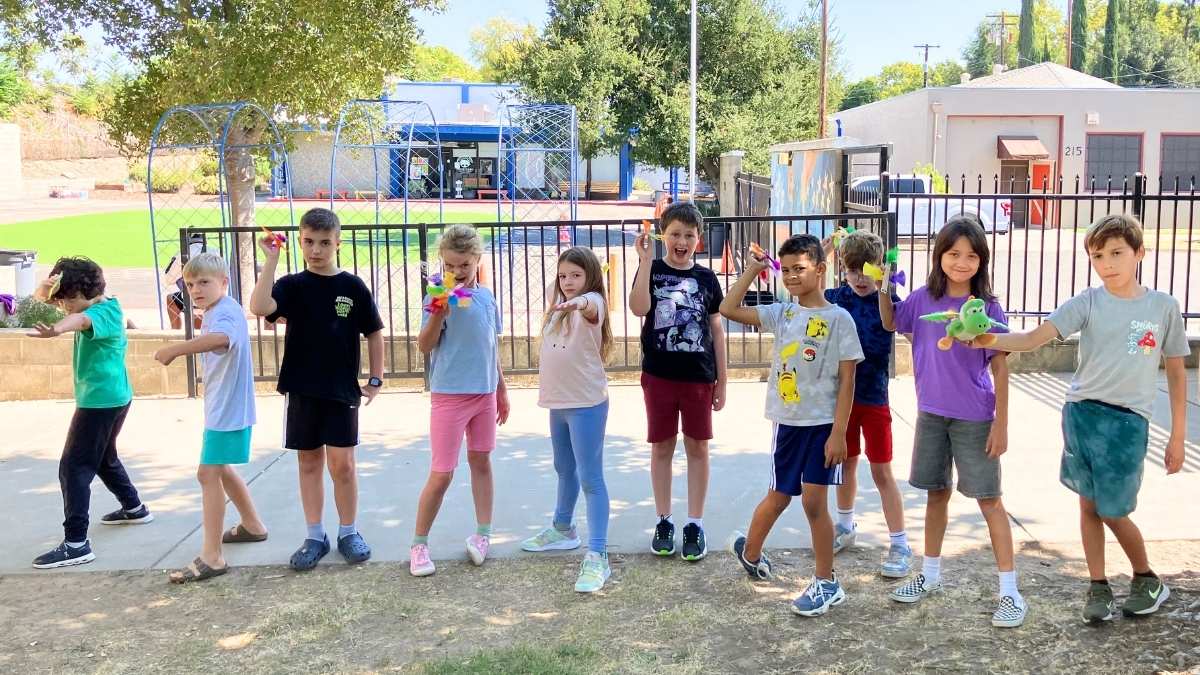
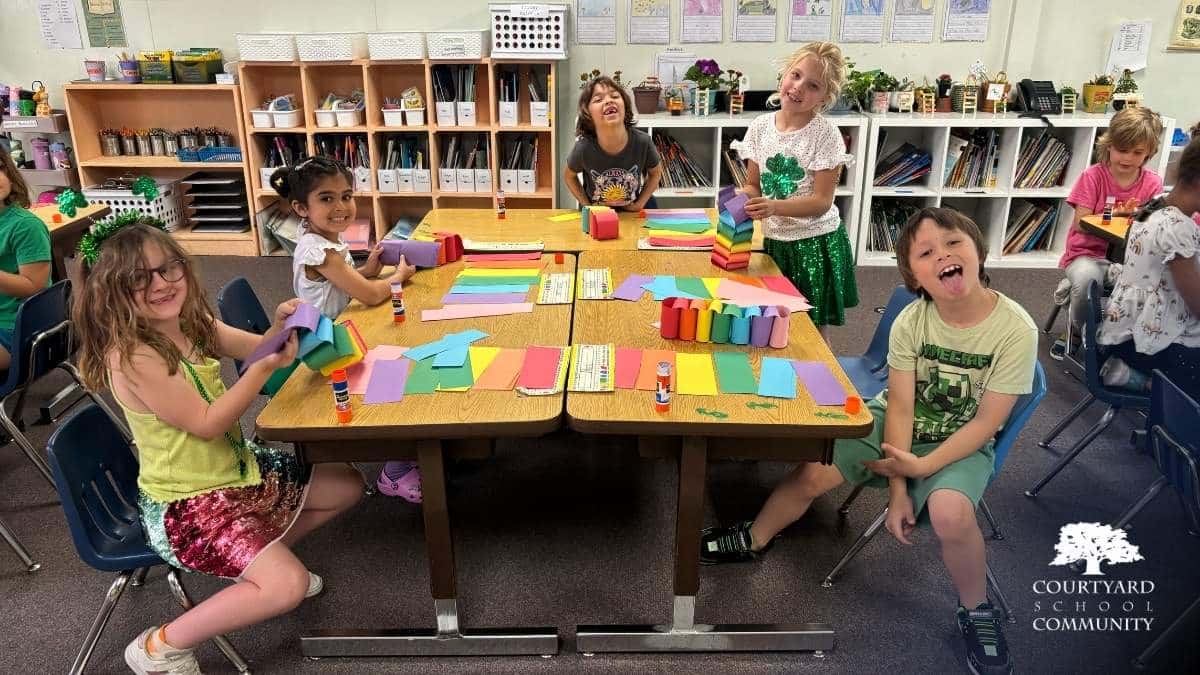
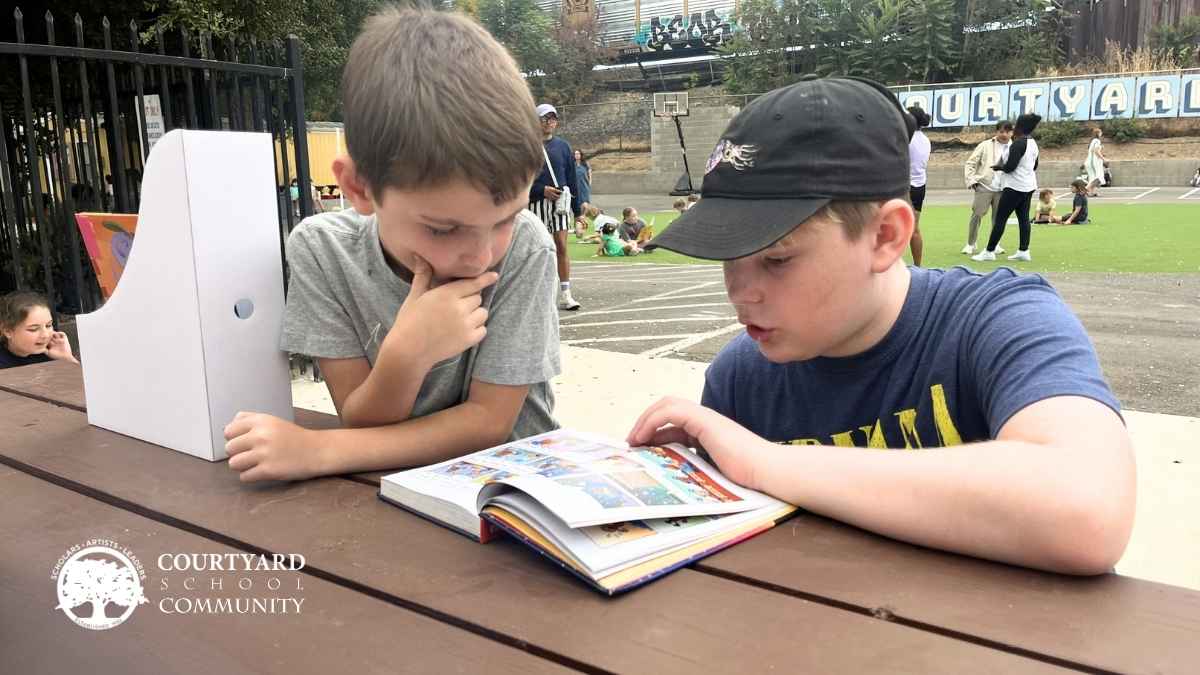
For reference, Courtyard runs about 135 students total with roughly a 12-to-1 ratio, in multi-age classrooms where kids stay with the same teacher for two years.
What actually changes day to day
This is the part the brochures skip, so let’s get specific :
 Your kid talks more. In a room of 12, a child gets several times as many turns to answer, ask, and think out loud as they would in a class of 28. Participation isn’t a personality trait, a lot of it is just math: how many hands are up, and how many minutes there are to go around.
- The off day gets caught early. A teacher with twelve kids notices when one of them walks in quiet, or off, or clearly exhausted. In a big room, that same kid can have a whole rough week before anyone sees it.
- Less crowd control, more teaching. A meaningful chunk of every large class goes to managing the room. Settle down, eyes up front, please stop doing that to the pencil sharpener. Shrink the room, and all of that energy goes back into actual teaching.
- Feedback that’s actually read. When a teacher has twelve essays instead of thirty, your kid’s writing gets read closely and commented on specifically, not skimmed, stamped “Good work!” and sent home.
- A smaller social world to navigate. Fewer kids means fewer cliques to get shut out of and fewer places to feel invisible. For a lot of children, that makes a big difference.
- Nowhere to coast unnoticed. In a small class, a bright kid can’t quietly check out for a semester, and a struggling kid can’t slip through the cracks. Everyone is seen, which is exactly the point.
To be fair, the research on class size is mixed. But where it shows clear benefits is in the early grades, and for kids who need more individual attention. Which makes sense considering everything above.
What small class sizes are not
Here’s the real deal: small isn’t automatically better. A small class with a checked-out teacher is worse than a big class with a great one. Class size is an enabler, not a guarantee. It creates the conditions for a kid to be known and taught well, but it doesn’t do the work by itself.
So “how small?” is only part of the question. A low number only matters if the teaching takes advantage of it.
How to actually evaluate it
When you tour a school, here’s what you do:
- Ask for the specific number in the exact grade your child is entering next year, not the school-wide average.
- Watch a class in session if you can, and notice whether the teacher seems to know each kid as an individual.
- Ask about the philosophy behind the number. A school that’s thought hard about why small matters will have a real answer, and one that hasn’t will give you a statistic and a smile.
For more on this, take a look at our guide on How to Tour a Private School.
If small classes are what you’re after
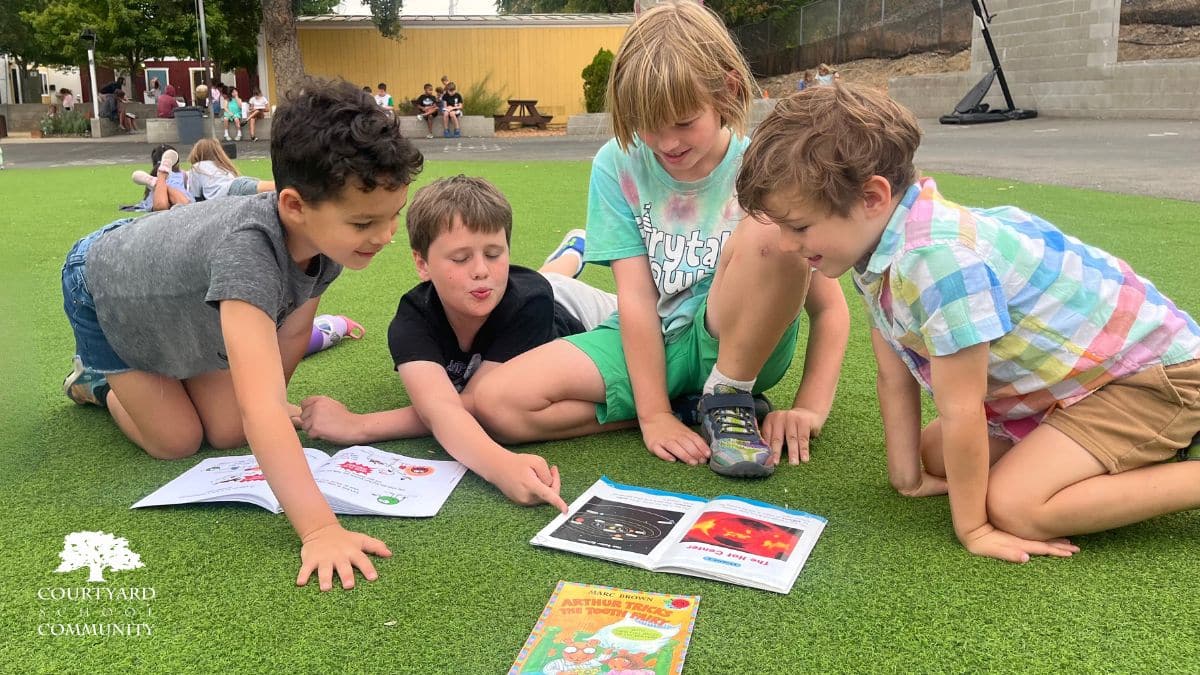
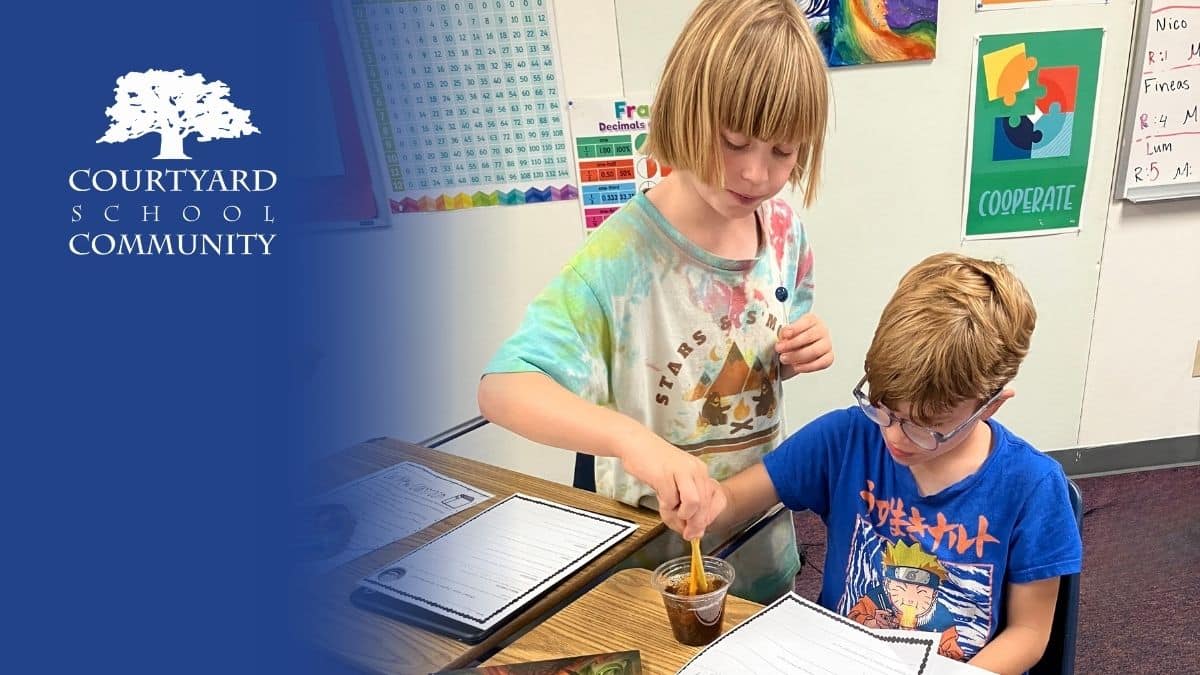
The best way to understand what a small class feels like is to visit one. If you’d like to see what about twelve kids and a teacher who knows all of them really looks like, come visit us or call (916) 442-5395. We do one-on-one tours year-round, and we are always excited to meet new kids, answer questions, and show people what we’re all about.
And if you’re still in the earlier stage of wondering whether a smaller setting is even right for your child, we wrote a companion piece on exactly that: Signs Your Child Might Thrive in a Smaller School. You can also read more about how our multi-age classrooms make the small-class advantage go even further.